If you want to know how your film is screened in a cinema, first it needs to be in DCP format, so you need to understand what DCP is.
DCP stands for (Digital Cinema Package), a film data package format used for cinema exhibition. DCP mastering follows strict standards; any error in any step can cause playback failure on the projector. Therefore, DCP mastering requires meticulous attention and professionals with comprehensive knowledge of the film workflow, which also demands a high level of theoretical understanding of video and audio assets.
Now let's start introducing the components of a DCP. LI TRUST specializes in DCP mastering, DCP subtitle burn-in, DCP-to-digital conversion, and other services. Below, we use a DCP file previously created by LI TRUST as an example to explain the specific roles of several files in the DCP package:
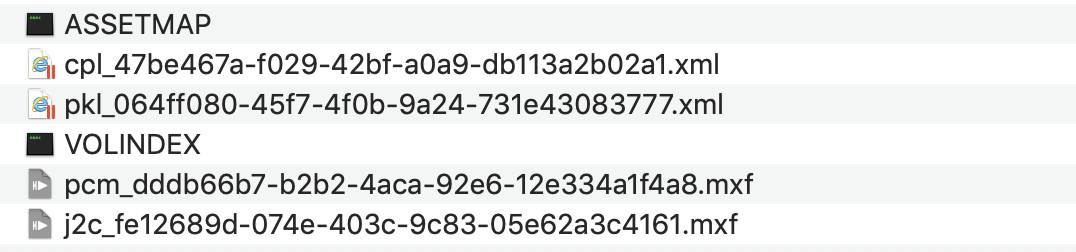
1.Assetmap – describes the paths of all file assets within the DCP. In simple terms, it's a file index that tells the projector where each file is located.
2.Composition Playlist (CPL) – describes the playback order and timing of all files within the DCP. The film's screening is initiated by this file.
3.Key Delivery Message (KDM) – the message responsible for delivering the encryption keys. It mainly contains three types of information: the content decryption key; key parameters, primarily the key's time window (validity period), i.e., the film's exhibition window; and the Trusted Device List (TDL), i.e., the list of authorized legitimate devices. Structurally, the KDM is divided into three parts: Public, Private, and Signature. KDM key files are typically downloaded by theaters from the official websites of distributors such as China Film Group and Huaxia Film, or transmitted by the cinema chain to its theaters via network or satellite.
4.Package List (PKL) – lists the assets contained in the DCP and includes hash values for each file, used to verify asset integrity and confirm whether files are damaged.
5.VOLINDEX – volume index file, identifies the current hard drive number, used for cross-disk playback control. Some very